According to Tap Chi Hang Khong – Vietnam is attracting a growing number of international travellers seeking extended holidays that combine golf with accommodation, dining and destination experiences. This trend is helping Vietnam strengthen its position in the international golf tourism market.
Travelling Thousands of Miles to Play Golf
One example highlighted by Bloomberg is James Lee, a 39-year-old golfer from New Jersey, USA. Despite being a member of two golf clubs at home, Lee flew approximately 8,500 miles (13,600 kilometres) to Vietnam for his second golf trip to the country.
During his 11-day visit, he planned to play seven rounds across five golf courses. At Ba Na Hills Golf Club, one of the stops on his itinerary, Lee described the course as one of the most beautiful he had ever played.

Lee’s journey reflects how Vietnam is increasingly being recognised on the international golf tourism map. Once considered an emerging market, the country is gaining attention for its diverse collection of golf courses along the coastline, within integrated resorts and amid distinctive natural landscapes.
According to Bloomberg, Vietnam is now among the world’s fastest-growing golf markets. Many courses across the country have been designed by internationally renowned golf figures, including Greg Norman, Sir Nick Faldo and Tiger Woods.
The National Golf Foundation forecasts that Vietnam could have around 200 golf courses by 2030, more than double the current number. With over 50 golf projects underway, the country is also among Asia’s fastest-growing markets for golf course development.
Growth is taking place across the country. Central Vietnam is emerging as a golf destination with several courses within relatively easy reach of one another, while major developments are also taking shape in the north and south.
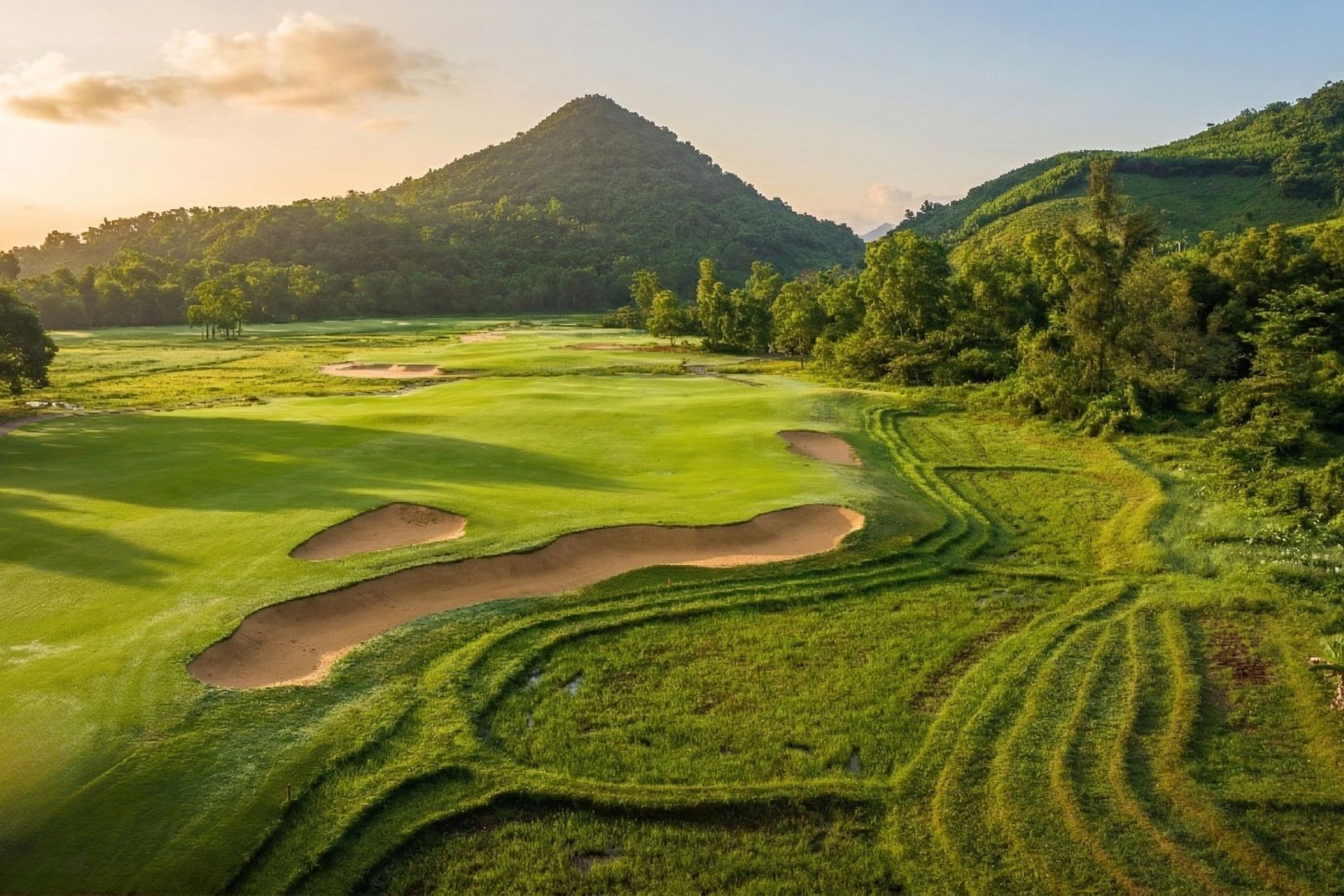
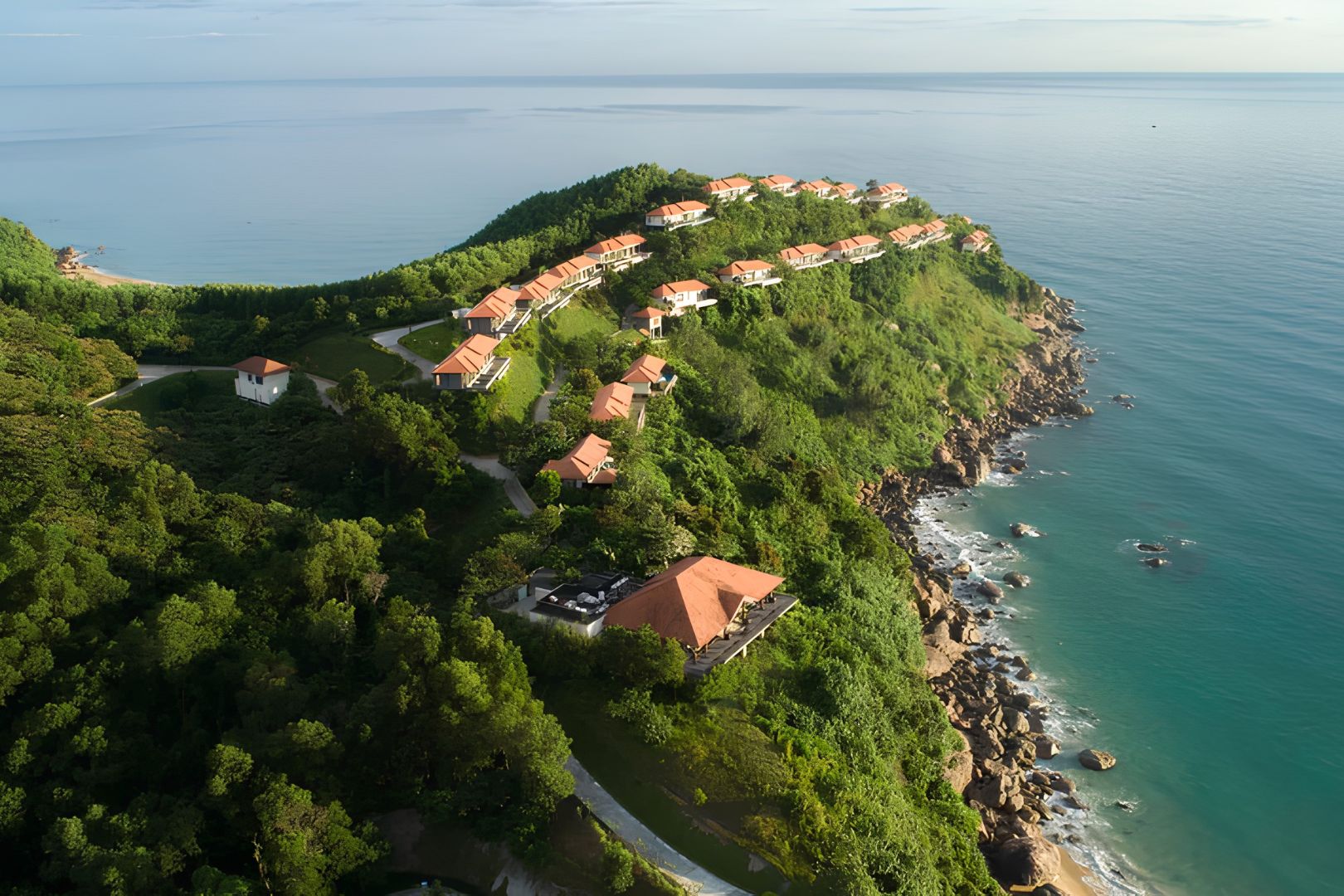
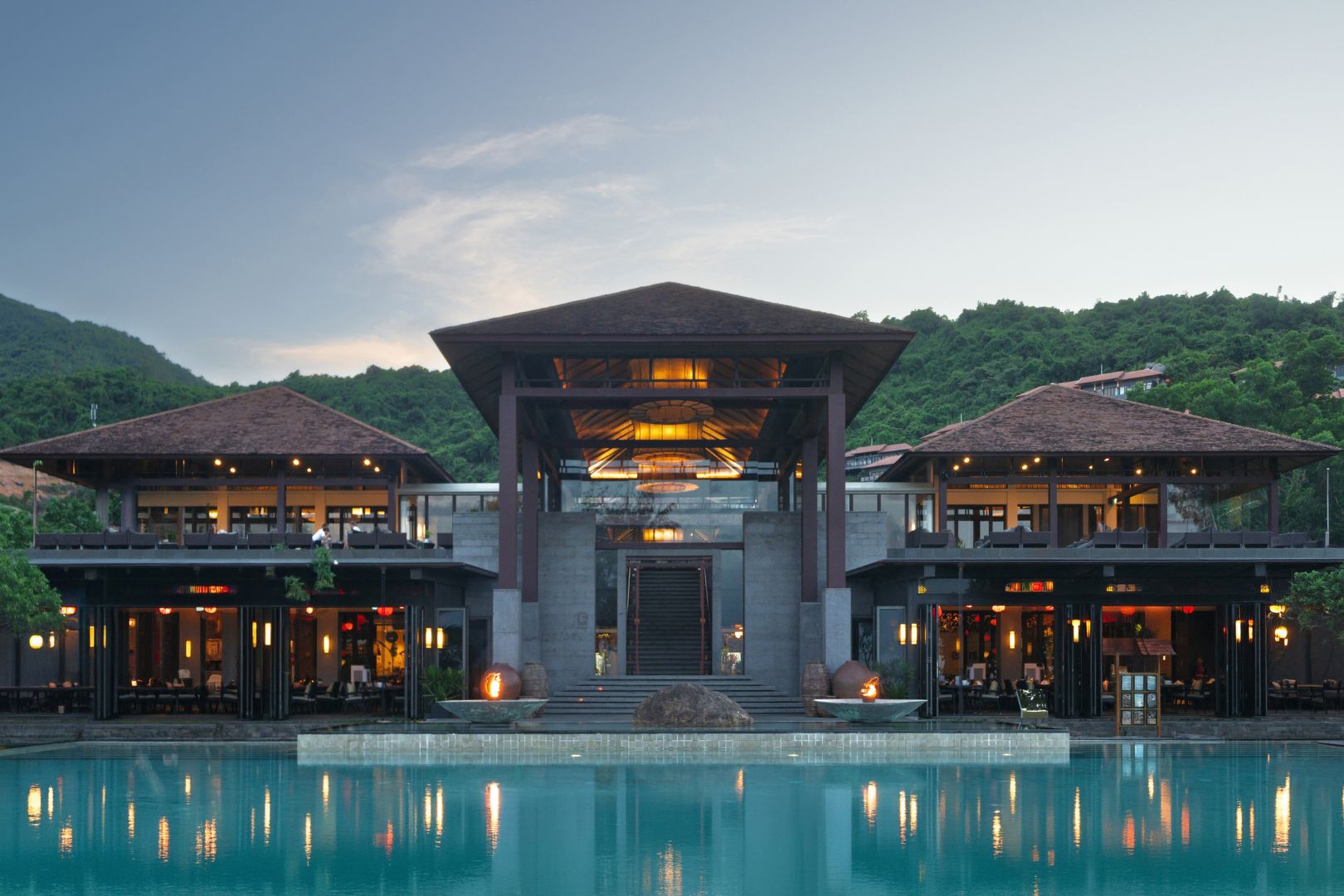
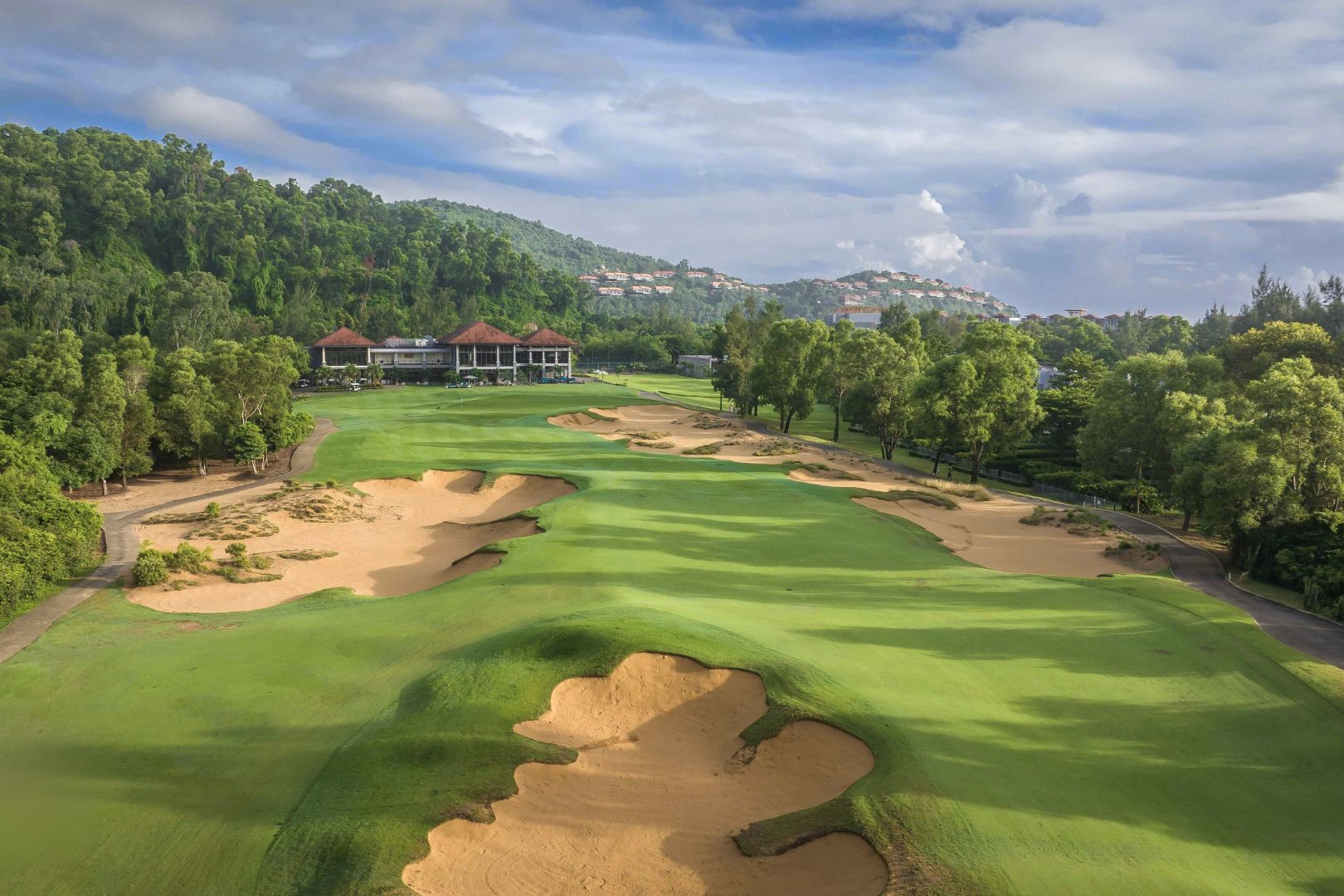
In Lang Co, Laguna Golf Lang Co features an 18-hole course designed by Sir Nick Faldo, complemented by an integrated accommodation and resort offering. Its Stay and Play concept allows guests to combine a resort holiday with multiple rounds of golf, turning a sporting activity into a more comprehensive travel experience.
Golf is therefore increasingly seen as more than just a sport. As part of an integrated tourism offering, it can encourage longer stays and generate additional spending across accommodation, dining, transport and other services, creating further opportunities for Vietnam’s golf tourism sector.
From a Round of Golf to an Extended Holiday
According to Bloomberg, the price of an 18-hole round in Vietnam can be comparable to, or lower than, that of some internationally recognised public golf courses in the United States. In many cases, the fee includes both a golf cart and a caddie.
Meanwhile, accommodation, dining, transportation and other travel experiences in Vietnam remain relatively competitive compared with many alternative golf destinations.
This combination appeals to travellers willing to spend several days exploring the country. International golfers can build an entire itinerary around playing multiple courses while enjoying resort stays, discovering local cuisine and visiting nearby attractions. This is a defining feature of Vietnam’s golf tourism trend, where time on the course is complemented by leisure and destination experiences.
The experience at Laguna Lang Co reflects growing demand for holidays that combine leisure, sport and discovery, particularly among travellers with higher spending power.
According to Ton Nu Dieu Hien, Director of Sales at Laguna Golf Lang Co, approximately 60–70% of guests are international visitors, while 30–40% are domestic travellers. Both groups visit to combine a resort holiday with golf and other experiences.
Length of stay is another notable characteristic. Mid-range travellers typically stay for two to three nights, while high-end guests may stay for around five nights. This suggests that premium leisure travel can contribute not only to visitor numbers but also to longer stays, higher spending and greater economic value for the destination.

According to Dieu Hien, one of Vietnam’s key advantages lies in the overall cost of a trip. Although a round of golf may be more expensive due to taxes, accommodation, dining, transportation and other experiences can remain reasonably priced.
For example, a golfer might spend approximately US$150 on a round of golf, including tax, around US$80 for a night at a seaside hotel and about US$15 for dinner. When considered as part of the entire itinerary, the overall cost can remain competitive with other golf destinations in the region.
Strong Advantages, but Challenges Remain
Vietnam has several advantages in the regional golf tourism market. Its extensive coastline, favourable climate, diverse landscapes and courses designed by internationally renowned architects help distinguish the country from competing destinations.
Some regions also benefit from having multiple courses within relatively short driving distances. In Central Vietnam, golfers can combine rounds at different courses with beachside relaxation and visits to cultural attractions.
However, regional competition is intensifying. Thailand has more than 300 golf courses, Indonesia has over 150, and Cambodia is also developing its golf tourism offering.
Beyond physical infrastructure, service quality and workforce capabilities will be critical to retaining high-spending visitors.
Ian Cording, General Manager of The Bluffs Grand Ho Tram Strip, has highlighted the need for Vietnam to continue investing in golf industry talent, including operations, training, sales and marketing, to bring service standards in line with international expectations.
International Golfers Drive a New Wave of Demand
According to Vietnam’s Ministry of Culture, Sports and Tourism, golf tourism revenue reached approximately US$1 billion in 2025, up 67% from 2022. The figure is projected to potentially reach several billion US dollars by 2030. These figures point to further opportunities for golf tourism to contribute to the country’s broader tourism growth.
The Vietnam Golf Association reports that international golf tourists spend approximately three times as much as conventional leisure travellers, whose spending averages around US$1,200–1,400 per trip.
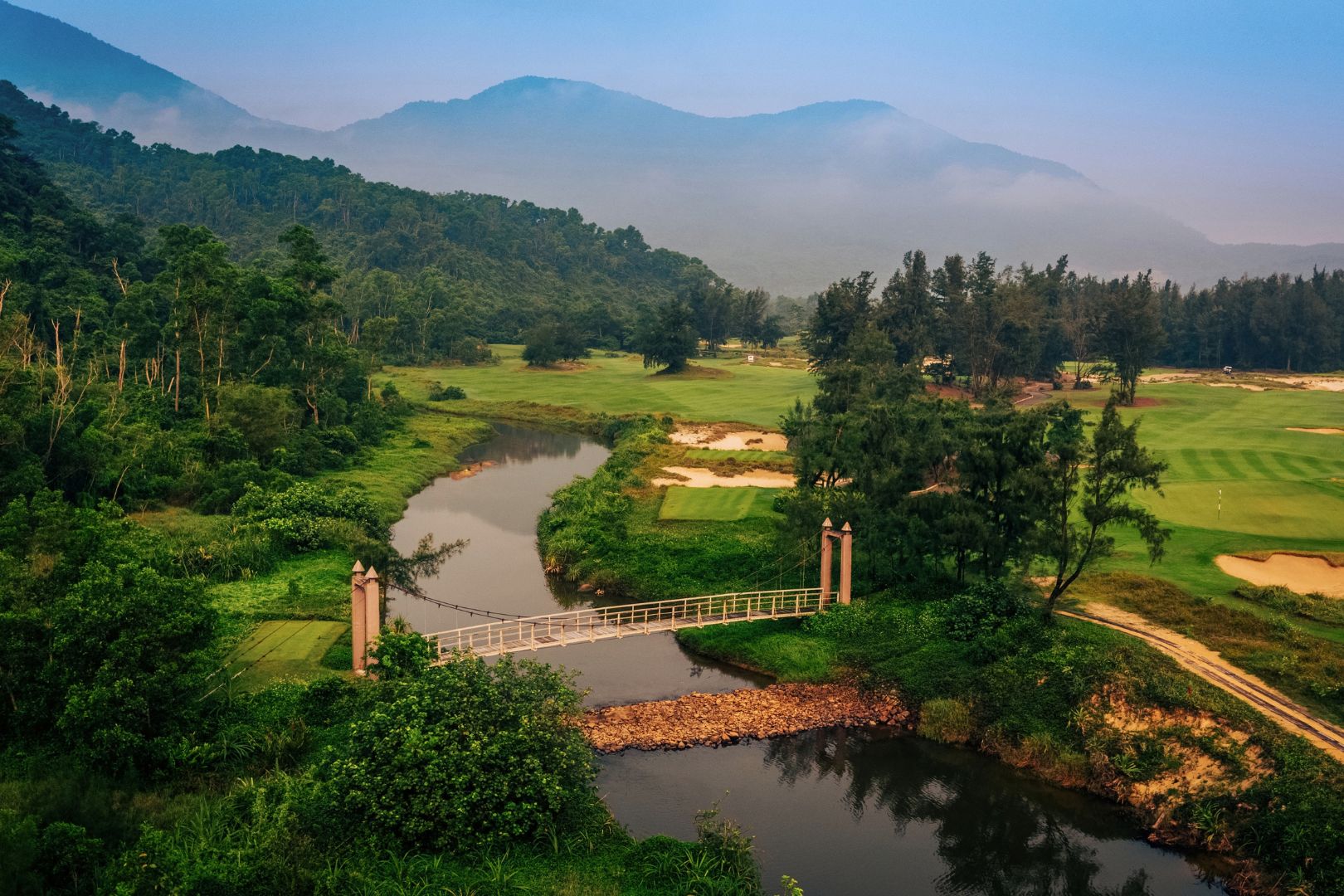
International golf tourists are estimated to spend around three times more than other leisure visitors to Vietnam. Some golfers even travel from distant destinations by private aircraft to play in the country.
Vietnam is not the only Southeast Asian country benefiting from golf tourism. Thailand leads the region in the number of golf courses, with more than 300, followed by Indonesia with over 150. Cambodia is also entering the market, with approximately 10 courses.
Nevertheless, Vietnam has established a distinctive position among international golfers. The country has been named Asia’s Best Golf Destination by the World Golf Awards for nine consecutive years.
In recent years, difficulty securing tee times at home and cold winter conditions have encouraged golfers from South Korea, Japan and Taiwan to visit Vietnam. Relatively competitive costs, combined with warm weather and abundant sunshine during the Northern Hemisphere winter, make the country an appealing seasonal escape.
Golf clubs in Vietnam have responded to this demand by offering menus tailored to Korean and Japanese tastes. Some golf course staff also speak Asian languages in addition to English, helping create a more welcoming experience for international visitors.
Rising demand is also putting pressure on course capacity. In Da Nang, Hanoi and Ho Chi Minh City, some courses regularly reach full capacity, particularly during the peak season from October to April. According to Golfasian, a golf tour operator in Asia, golfers may need to book tee times three to six months in advance during busy periods. Some courses have also invested in lighting systems to accommodate additional rounds at night.
Alongside growing demand, investment in Vietnam’s golf infrastructure continues to expand. Major companies are developing and operating golf courses integrated with resorts, restaurants and entertainment facilities. In Central Vietnam, coastal landscapes and distinctive terrain are helping shape destinations that combine golf with resort stays.
However, the long-term growth of Vietnam’s golf tourism sector will depend on more than the number of courses available. Service quality, connectivity between golf courses, transport infrastructure and the integration of golf with accommodation, dining and local experiences will all play an important role in attracting visitors and encouraging them to return.