
The Vietnam eVisa is the most convenient option for foreign travelers entering Vietnam in 2026. With just a few simple online steps, applicants can secure their travel authorization in advance, whether traveling for tourism, business, or visiting relatives.
Currently, the Vietnam eVisa policy applies to citizens of all countries and territories. The permitted duration of stay is up to 90 days, available in both single-entry and multiple-entry options. This makes it an ideal solution for both short vacations and extended itineraries across Vietnam.
This comprehensive guide covers everything you need to know about eligibility, required documents, fees, processing times, and a step-by-step application walkthrough.
What is a Vietnam eVisa?
The Vietnam eVisa is an official travel document issued electronically by the Vietnam Immigration Department. It operates under the Law on Entry, Exit, Transit, and Residence of Foreigners in Vietnam (No. 47/2014/QH13, amended by Law No. 51/2019/QH14).
This electronic visa allows foreign nationals to enter and stay in Vietnam for up to 90 days for purposes including tourism, business, working visits, or visiting relatives, depending on the information declared in the application.
The entire application process is conducted online. Applicants do not need to visit an embassy or wait in long lines for a Visa on Arrival (VOA) at the airport.
What Does the Approved Vietnam eVisa Look Like?
Once approved, your Vietnam eVisa will be issued as a downloadable PDF document. The document contains:
- Personal Information: Full name, date of birth, nationality, passport number, and passport expiration date.
- Visa Type: Single-entry or Multiple-entry.
- Validity Period: Exact start and expiration dates.
- Visa Code & Digital Signature: The official electronic seal of the Vietnam Immigration Department.
Notes:
- Because it is issued online, the Vietnam eVisa features a digital signature rather than a physical red government stamp.
- The latest eVisa layout does not display the holder’s gender, though this data is safely stored in the Immigration Department’s database.
- Always print at least one physical copy of your eVisa and keep it with your passport. You must present it at both the airline check-in counter and the immigration border checkpoint.
Eligible Nationalities and Ports of Entry
Eligible Countries
Citizens of all countries and territories are fully eligible to apply for a Vietnam eVisa. This universal access means travelers from the US, UK, Japan, Australia, India, Canada, and the rest of the world utilize the exact same streamlined online system.
Designated Ports of Entry
Holders of a Vietnam eVisa can enter the country through 83 international checkpoints, which include:
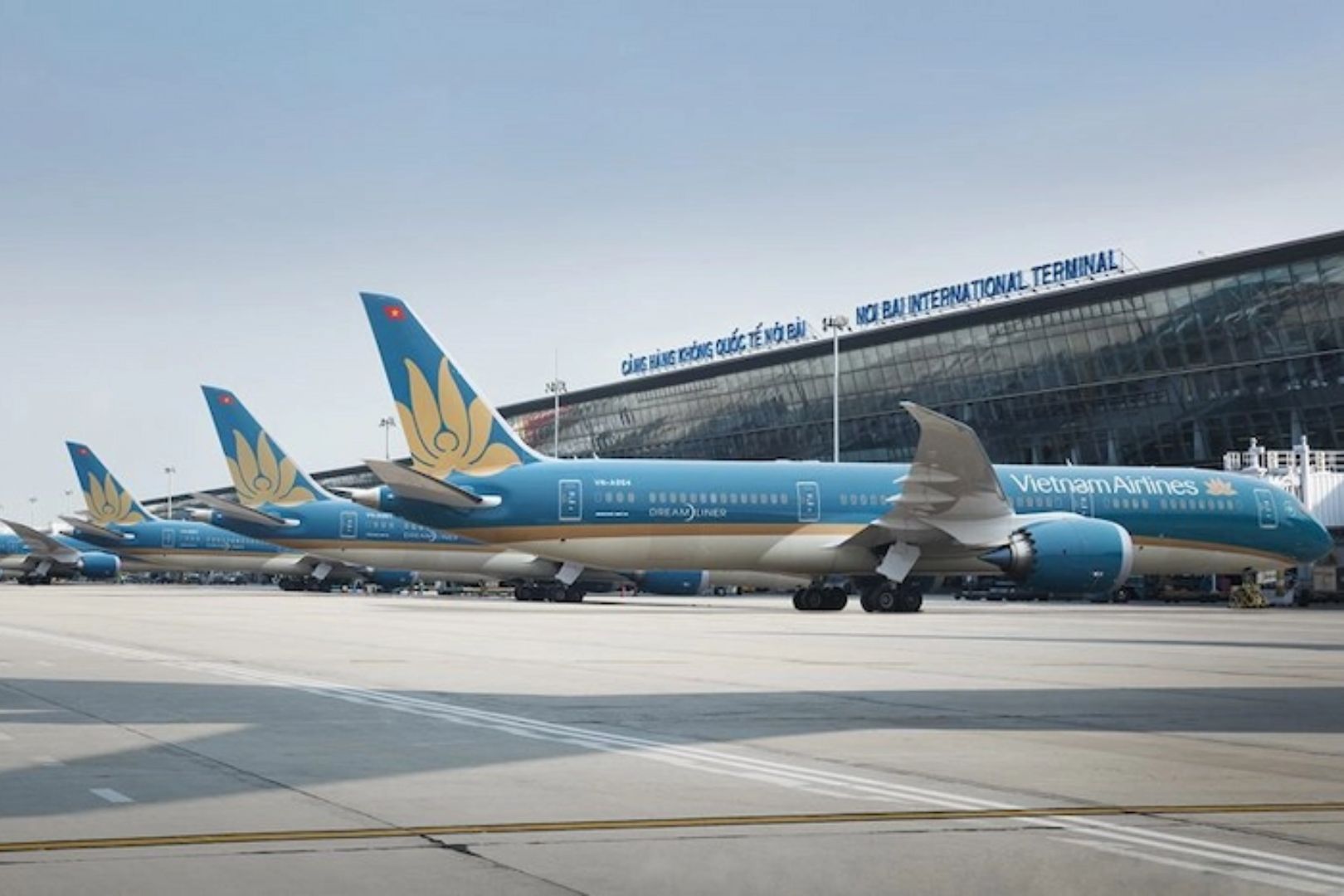
- 17 International Airports: Including Hanoi (Noi Bai), Ho Chi Minh City (Tan Son Nhất), Da Nang, Nha Trang (Cam Ranh), etc.
- 27 Land Borders: Connecting Vietnam with China, Laos, and Cambodia.
- 39 Seaports: Serving major cruise lines and maritime routes.
You must select your intended port of entry during the application process. Once your visa is issued, you must enter through that exact designated checkpoint. However, you may exit the country through any of the approved checkpoints.
Official Website for Vietnam eVisa Registration
The official website to apply for a Vietnam eVisa is https://evisa.gov.vn. This is the official Government portal where you can submit your application, check your application status, and download your eVisa.
Requirements for Applying for a Vietnam eVisa
To successfully submit your application, please ensure you have:
| Requirement | Specification |
|---|---|
| Passport | Must be valid for at least 6 months beyond the intended entry date. |
| Applicant Photo | Recent 4×6 cm portrait, JPG/JPEG format, under 2MB. White background, straight face, no glasses, no headwear. |
| Passport Scan | High-quality photo or scan of the biographical page showing all data clearly. |
| Travel Details | Intended entry/exit dates and designated checkpoints. |
| Email Address | A valid email to receive the application code and approval notifications. |
| Payment Method | A valid credit or debit card for the visa service fee. |
Note: Blurry, cropped, or low-quality photos are the leading causes of application delays or rejections.
Vietnam eVisa Processing Time
The standard processing time for a Vietnam eVisa is 3 to 5 working days. However, processing times may be extended during peak travel seasons, national holidays, or if the Immigration Department requests data amendments.
It is highly recommended to submit your application at least 2 to 3 weeks before your scheduled departure.
Vietnam eVisa Fees
The official government fee for a Vietnam eVisa is:
- USD 25 for a single-entry eVisa
- USD 50 for a multiple-entry eVisa
This fee is paid online during the application process.
Please note that the Vietnam eVisa fee is non-refundable. If your application is refused, or if you submit incorrect information, the fee will not be returned.
How to Apply for a Vietnam eVisa Online
The Vietnam eVisa application process is straightforward. However, you must enter all information carefully.
Here are the main steps.
Step 1: Complete the Online Vietnam eVisa Application Form
First, visit the official Vietnam eVisa portal and choose the application option for foreigners.
Read the instructions carefully before continuing.
Then upload:
- Your passport data page image
- Your portrait photo
After that, complete the online application form.
You will need to enter personal details, passport details, contact information, and travel information.
Personal information
This section may include:
- Full name
- Date of birth
- Gender
- Nationality
- Email address
- Religion
- Place of birth
Enter your name exactly as it appears in the ICAO line of your passport.
If your passport shows only one name field, follow the information displayed in your passport.
Contact information
You may be asked to provide:
- Permanent residential address
- Current contact address
- Phone number
- Emergency contact details
The emergency contact section may include full name, address, phone number, and relationship.
Occupation information
Occupation details may be optional in some cases. However, if the system asks for this information, provide it accurately.
Missing information may lead to longer processing time.
Trip information
You need to provide details about your stay in Vietnam, including:
- Purpose of entry
- Intended entry date
- Expected length of stay
- Address in Vietnam
- Province or city
- District
- Ward or commune
- Entry border gate
- Exit border gate
Make sure your selected entry point matches your actual travel plan.
Children under 14 sharing the same passport
If children under 14 are included in the same passport and travel with you, declare their information in the relevant section.
Trip expenses and insurance
Some fields related to trip expenses or insurance may be optional. Still, complete them if the system requires the information.
Before submitting, review the entire form carefully.
Although the system may read some details automatically from your passport image, you should not rely on this completely. Check all fields manually.
After submitting the form, you will receive a registration code. Save this code because you will need it to check your application status later.
Step 2: Pay the e-Visa fee online.
Step 3: Check the status of your application and download your Vietnam e-Visa.
After approximately 3–5 working days, you can check your visa application status or provide additional information if requested.
Check your application status and download your Vietnam e-Visa.
After 3 to 5 working days, check your results by following these steps:
- Navigate to the tracking page: https://evisa.gov.vn/e-visa/search
- Enter your Registration Code, Email, and Date of Birth.
- If the status reads “Granted visa”, click the green arrow icon next to the print option to view your document.
- Download the PDF file and print it out.
Vietnam e-Visa Extension
Currently, Vietnam eVisa extensions are not available, regardless of nationality or visa category. Travelers who need additional time in Vietnam generally have two options.
Apply for a New Vietnam eVisa
Many travelers choose to leave Vietnam and apply for a new Vietnam eVisa from a neighboring country. Once the new eVisa is approved, they may re-enter Vietnam under the new visa validity period. This practice is commonly referred to as a visa run.
Convert to Another Visa Type
This is strictly limited to Business eVisas. If you have an official inviting entity or sponsor in Vietnam (such as an employer, business partner, or a Vietnamese relative), you may apply to convert your status to a Work Visa (LD), Investment Visa (DT), or a Temporary Residence Card (TRC). This procedure must be fully executed before your current eVisa expires.
Recommendation: Begin planning your visa renewal or departure at least 3 to 5 working days before your visa expires. Overstaying a visa in Vietnam carries administrative fines and can negatively impact your future immigration record.